
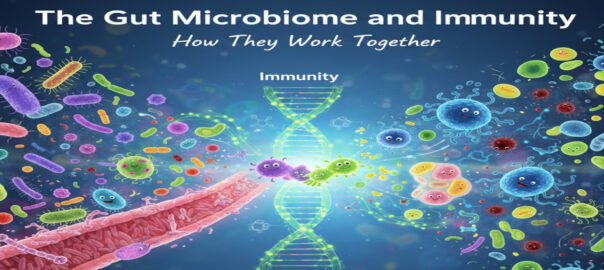
The Gut Microbiome and Immunity: A Complex Relationship
Exploring How Our Digestive Microbes Shape the Immune System
Introduction
The human body is home to trillions of microorganisms that coexist with us in a largely symbiotic relationship. Among these, the gut microbiome stands out as one of the most influential ecosystems affecting human health. Over the past two decades, scientific research has increasingly demonstrated that the gut microbiome is not only central to digestion and metabolism, but also a critical regulator of immune function. The relationship between gut microbes and immunity is complex, dynamic, and essential for maintaining health and preventing disease.
The Gut Microbiome: An Overview
The gut microbiome refers to the diverse community of microorganisms—including bacteria, viruses, fungi, and archaea—that reside primarily in the large intestine. Each individual’s microbiome is unique and shaped by factors such as genetics, mode of birth, diet, environment, medication use, and lifestyle. A healthy microbiome is typically characterised by high diversity and a stable balance between beneficial and potentially harmful microbes.
These microorganisms perform a wide range of vital functions. They assist in breaking down complex carbohydrates, synthesise essential vitamins such as vitamin K and certain B vitamins, and help regulate metabolism. Crucially, they also interact continuously with the immune system, influencing how it develops, adapts, and responds to threats.
The Gut as an Immune Organ
The gastrointestinal tract is the body’s largest immune organ, containing approximately 70% of all immune cells. This concentration reflects the gut’s constant exposure to external substances, including food antigens and microorganisms. The gut lining serves as both a physical barrier and an immunological interface, preventing harmful pathogens from entering the bloodstream while allowing nutrient absorption.
Specialised immune structures such as Peyer’s patches and gut-associated lymphoid tissue (GALT) monitor microbial activity and coordinate immune responses. The gut microbiome plays a vital role in training immune cells to differentiate between harmless substances and genuine threats, promoting immune tolerance while maintaining readiness to combat infection.
Mechanisms: How Gut Microbes Influence Immunity
Gut microbes influence immunity through several interconnected mechanisms:
Metabolite Production:
Beneficial bacteria ferment dietary fibre to produce short-chain fatty acids (SCFAs) such as butyrate, acetate, and propionate. These compounds strengthen the intestinal barrier, reduce inflammation, and regulate immune cell activity.
Immune Cell Development:
Certain microbes promote the development of regulatory T cells, which suppress excessive immune responses and reduce the risk of autoimmune and inflammatory diseases.
Barrier Integrity:
A healthy microbiome supports the production of mucus and tight junction proteins that prevent pathogens and toxins from crossing the gut lining.
Systemic Effects:
Signals originating in the gut can influence immune responses throughout the body, including in the lungs, skin, and brain, highlighting the far-reaching impact of gut microbes.
Dysbiosis and Immune Dysfunction
Dysbiosis occurs when the normal balance of the gut microbiome is disrupted, either through reduced microbial diversity or an overgrowth of harmful species. This imbalance can impair immune regulation and contribute to chronic inflammation.
Dysbiosis has been associated with a range of immune-related conditions, including inflammatory bowel disease (IBD), irritable bowel syndrome (IBS), allergies, asthma, obesity, and autoimmune disorders such as rheumatoid arthritis and multiple sclerosis. Emerging evidence also suggests links between gut dysbiosis and mental health conditions via the gut–brain–immune axis.
Diet and Lifestyle Factors Shaping Immune Health
Diet is one of the most powerful modulators of the gut microbiome. Diets rich in plant-based foods, whole grains, legumes, and fermented products support microbial diversity and immune resilience. Prebiotic fibres serve as fuel for beneficial bacteria, while fermented foods introduce live microorganisms that may enhance gut balance.
Conversely, diets high in ultra-processed foods, refined sugars, and saturated fats can promote dysbiosis and inflammation. Lifestyle factors such as physical activity, sleep quality, stress management, and prudent antibiotic use also play important roles in maintaining a healthy microbiome–immune relationship.
Microbiome-Based Therapies and Future Directions
Advances in microbiome research have opened the door to innovative therapeutic strategies aimed at restoring immune balance. These include:
Probiotics:
Live microorganisms that may confer health benefits when consumed in adequate amounts.
Prebiotics:
Non-digestible compounds that selectively stimulate beneficial microbes.
Synbiotics:
Combinations of probiotics and prebiotics designed to work synergistically.
Faecal Microbiota Transplantation (FMT):
The transfer of gut microbes from a healthy donor to restore microbial diversity, currently used in specific clinical settings.
In the future, personalised microbiome-based interventions may allow treatments to be tailored to an individual’s unique microbial profile, revolutionising preventive medicine and immune-based therapies.
Conclusion
The gut microbiome and immune system are deeply interconnected, forming a mutually influential partnership essential for health. By supporting a diverse and balanced gut microbiome through diet, lifestyle, and emerging therapies, we can strengthen immune function and reduce the risk of disease. As research continues to evolve, gut health is increasingly recognised as a cornerstone of lifelong immune resilience and overall well-being.
Glossary of Key Terms
To help you better understand the relationship between your gut and your health, here are the definitions for the technical terms used in the document:
Microbiome:
The vast collection of microorganisms—primarily bacteria, but also fungi, viruses, and archaea—that inhabit our digestive tract.
Metabolites:
Substances, such as short-chain fatty acids, produced by gut bacteria that help regulate immune responses.
Pathogens:
Harmful substances or microorganisms that the immune system must remain vigilant against.
Regulatory T Cells:
Specific immune cells stimulated by gut microbes that help prevent the immune system from overreacting to harmless triggers.
Dysbiosis:
A state where the diversity or abundance of gut microbes is disturbed, throwing the immune system off balance.
Prebiotics/Probiotics:
Targeted substances or beneficial bacteria used as therapies to bolster immunity.
| Supportive Factors | Disruptive Factors |
| Fiber-rich foods | Highly processed foods |
| Fermented products | Excessive antibiotics |
| Diverse fruits and vegetables | Chronic stress |
| Healthy lifestyle choices | Lack of microbial diversity |


